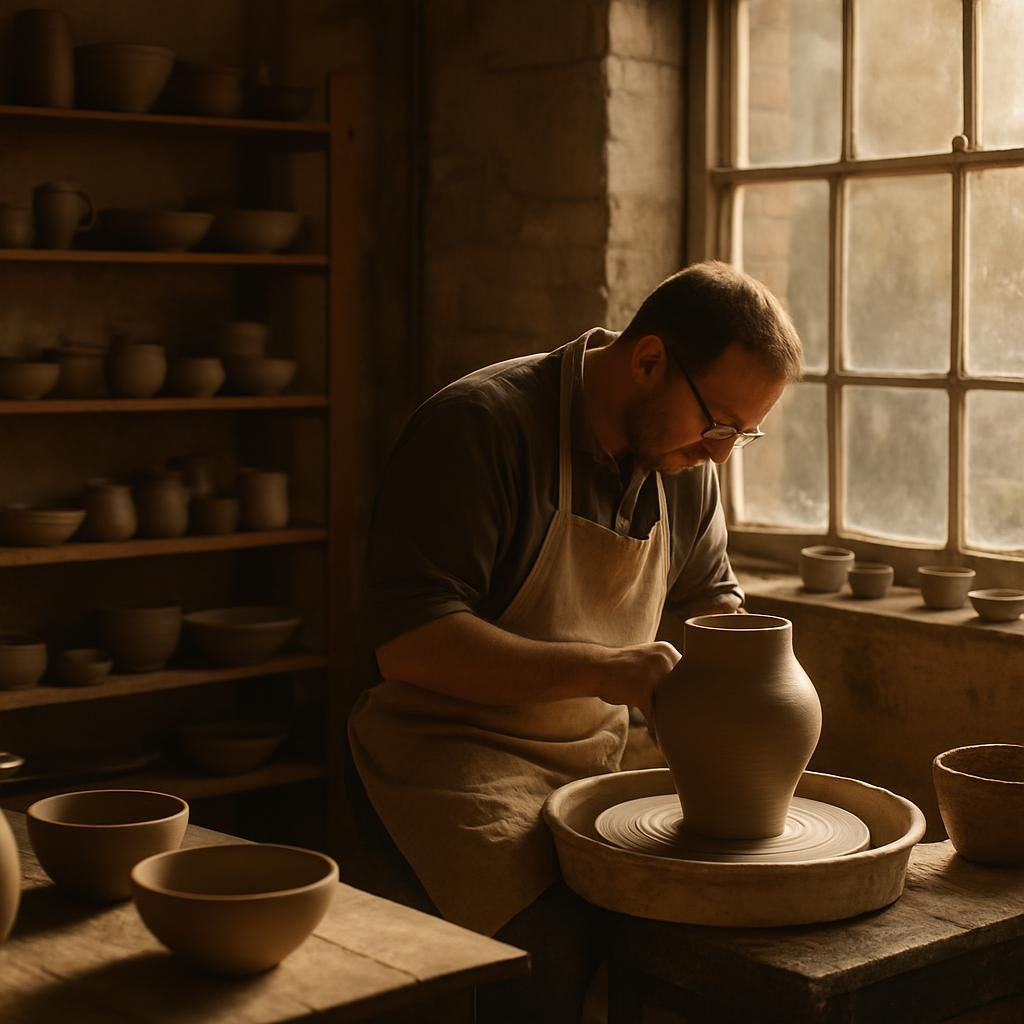
How to Choose a Pottery Classes Provider in Bingham — What Actually Matters
Find Out More →The question most people in Bingham ask before signing up for pottery classes is simple: will this actually be worth my time and money? Fair question. It's easy to get excited about the idea of throwing clay on a wheel or hand-building something beautiful, then walk into a class that's either overcrowded, poorly taught, or just doesn't click with how you learn. I've heard plenty of local people mention starting pottery classes somewhere only to give up after a few weeks. So let's talk about what actually matters when you're choosing where to learn.
What to Look For: The Basics That Count
First thing — check class size. You want a group small enough that the instructor can actually see what you're doing and give you feedback. If a pottery class has 20 people crammed into a studio, you'll spend half your time waiting for the kiln or fighting for wheel space. Ask directly how many students are in each session. A good provider will be honest about this straight away.
Second, ask about the instructor's experience. Have they actually worked in pottery long-term? Have they taught before? It's not snobbish to want someone who knows their craft inside out. You're learning a skill that requires real knowledge, not just enthusiasm.
Third — and this matters more than people realise — check what's included. Does the price cover clay and glazes? Are firing costs separate? Can you work on your own projects or just follow set exercises? These practical details affect everything about your experience.
Red Flags to Watch For
Be wary if a provider won't let you visit before committing to a term. You need to see the space, meet the instructor, and get a feel for how classes actually run. Anyone who's tried to commit to something in Bingham without knowing what you're getting into knows how frustrating that is.
Avoid places that promise you'll be "an expert" or "making gallery-quality work" after a handful of sessions. Pottery takes time. Anyone promising overnight results either doesn't understand the craft or is overselling. Real learning is gradual and honest teachers will tell you that.
Watch out too for vague communication. If emails don't get answered quickly or the website is unclear about what you're actually paying for, that usually reflects how they run their classes. Good providers are clear and responsive.
Does the Studio Feel Right?
This might sound soft, but the environment matters. Walk in and ask yourself: is it clean and well-organised? Are there finished pieces on display from past students? Does the instructor seem genuinely interested in why you want to learn pottery? You're going to spend time in this space, so it should feel welcoming and inspire you to keep coming back.
The Bottom Line
Pottery classes work best when three things line up: good teaching, reasonable class sizes, and honest communication about what you're getting. You shouldn't feel pressured, and you should feel like the instructor actually cares whether you progress or not.
If you're thinking about starting pottery classes in Bingham, find out more about us at Pottery classes Bingham. We keep classes small, we're straightforward about costs and what's included, and we genuinely want to help you develop your skills at a pace that works for you. Come and visit the studio — no pressure, just have a look around and see if it feels like the right fit. That's how you'll know.
Looking for Pottery classes near Bingham?
We have secure, flexible units available in the area. Get in touch with Pottery classes Bingham today.
Find Out More →